



Newsletter
Founder Relief vs BADR: Better on Paper, Built for Unicorns
29
October
2026
A generous headline with a narrow door
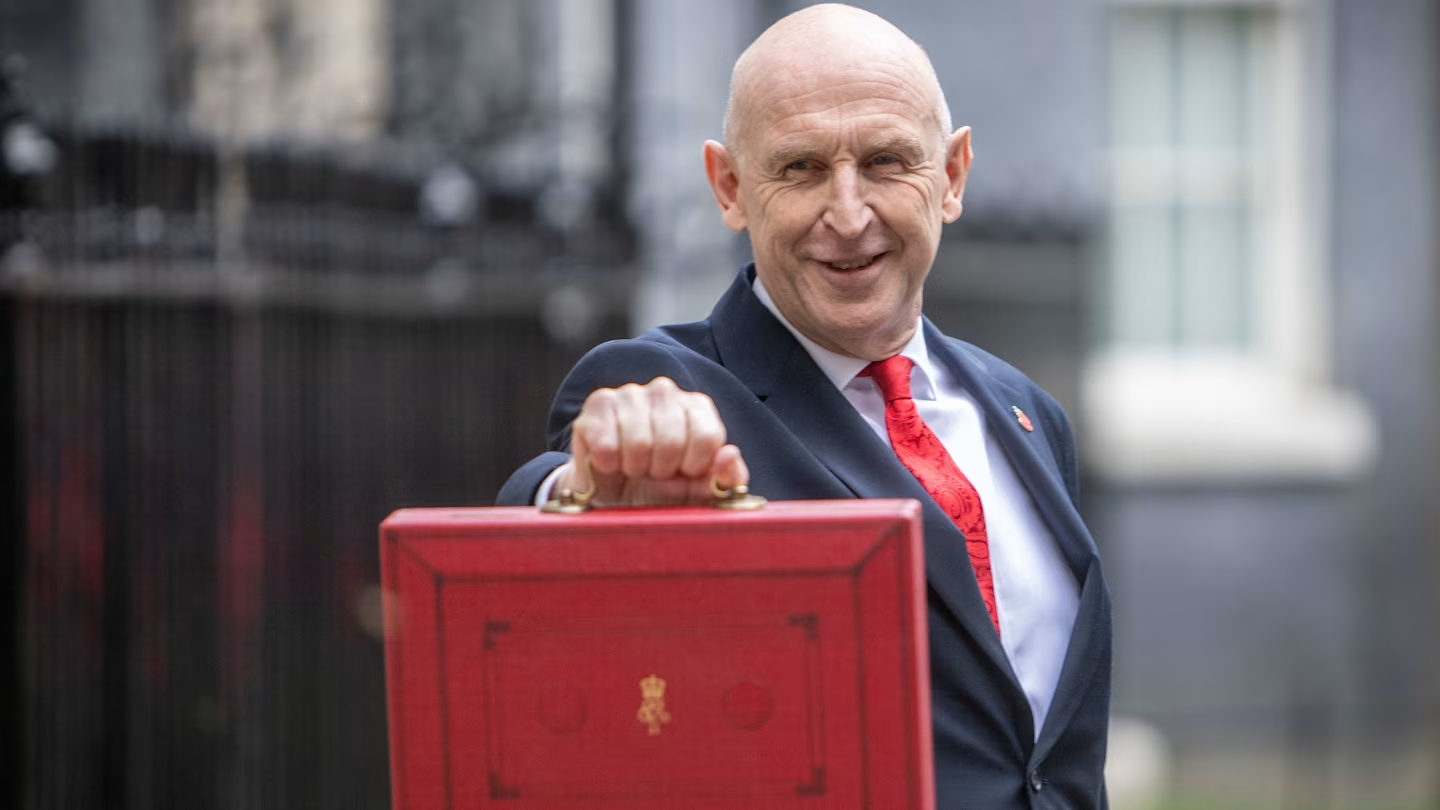
The Autumn Budget on 28 October 2026 introduced Founders' Relief: a 10% rate of Capital Gains Tax on up to £10 million of lifetime gains, from 6 April 2027. On paper, it's the most generous exit relief the UK has offered in years.
It's when you read the small print and the picture changes. The same Budget halves the lifetime limit for Business Asset Disposal Relief (BADR) to £500,000. And the qualifying tests for Founders' Relief are set so high that HMRC expects around 600 people a year to use it. In 2024 to 2025, 61,000 people claimed BADR.
So who's this really for? Mostly the scale-ups already on a unicorn trajectory. Here's what's changed, who qualifies and what we recommend you do now.
BADR is still the workhorse
BADR is the relief most owner-managed businesses actually use. It taxes qualifying gains at 18% rather than the standard 24%. From 6 April 2027, the lifetime limit on those gains falls from £1 million to £500,000. The conditions haven't changed, and they're within reach for most ambitious SMEs. For at least two years before you sell your shares:
- You hold at least 5% of the shares and voting rights
- You're entitled to at least 5% of distributable profits and assets on a winding up, or of the sale proceeds
- You're an employee or officer of the company
- The company is a trading company, or the holding company of a trading group
The cut matters. A higher or additional rate taxpayer with their full limit unused will pay up to £30,000 more on an exit that completes after 6 April 2027.
Founders' Relief: the offer on paper
Founders' Relief taxes qualifying share disposals at 10%, on up to £10 million of lifetime gains. That's 20 times the new BADR limit at a rate eight points lower. It applies to disposals on or after 6 April 2027. For a founder who qualifies, the difference is significant. Compared with the 24% standard rate, a full £10 million claim saves up to £1.4 million in tax. Founders' Relief has three gates, and you have to clear every one.
- You were there at the start. You held at least 25% of the ordinary share capital when the company began trading, or began preparing to trade. You've held your shares for at least five tax years and been UK resident for five consecutive tax years.
- The company has already scaled. In the accounting period before the sale, it had turnover of at least £10 million and at least 15 full-time equivalent employees. It's a UK trading company with a substantial UK presence for five accounting periods, still running the same trade it was set up for. Land, property development and financial services are excluded, as they are under EIS.
- It scaled fast. The company must pass two of these three tests:
- Turnover grew at an average 25% a year, compounded, over three consecutive accounting periods in the 10 years before sale, starting from at least £10 million
- Headcount grew at an average 25% a year, compounded, over three consecutive periods, starting from at least 15 full-time equivalents
- It spent at least £1.5 million on qualifying R&D and claimed R&D relief for periods ending in the three years before sale
Side by side
Founders' Relief wins on every headline number. BADR wins on the one that matters most: whether you can actually claim it.
CAGR is compound annual growth rate, averaged over three consecutive accounting periods.
Who actually qualifies
HMRC estimates around only 600 individuals from roughly 400 businesses a year, that's about one for every 100 people who claimed BADR in 2024 to 2025. The government's own figures tell you who this relief was designed for.
You don't need a £1 billion valuation to qualify. But you do need a business that has already done what most companies never do: pass £10 million in turnover, then keep growing at 25% a year. That's the profile of the UK's future unicorns, and very few others.
Here's how it plays out for two founders selling after 6 April 2027. Both are additional rate taxpayers with no previous relief claims.
The scale-up founder saves over £1 million. The SME founder, who built a valuable business and takes home a £2 million gain, pays £30,000 more than they would today. For most of our clients, the second column is a headline. The first is reality.
These figures are illustrative. They ignore base cost, losses and other reliefs, and assume today's 18% and 24% rates.
What we recommend
For most ambitious SME owners, the story of this Budget isn't Founders' Relief. It's a smaller BADR. Here's where we'd focus.
- Check your timeline. If you're already in sale talks, completing before 6 April 2027 keeps the full £1 million BADR limit. Transitional rules are proposed for deals that exchange before that date and complete after it.
- Test yourself against the gates. If you held 25% or more at the start and you're past £10 million in turnover, find out now whether you're on track for two of the three growth tests. Founders' Relief rewards planning years before a sale, not months.
- Protect your R&D position. If the innovation test is one of your two, the quality of your R&D claims now carries far more weight than the relief itself.
- Think beyond the founders. Later joiners and EMI option holders can't claim Founders' Relief. If your senior team is part of your exit story, their position needs its own plan.
- Watch the consultation. The rules may shift before 30 November 2026. We'll update this article when the final legislation lands.
Founders' Relief is a strong signal that the UK wants to back its fastest-growing companies. If that's you, it's worth planning for now. If you're not there yet, it's a target worth knowing, and BADR remains a valuable relief.
Either way, the right exit plan starts with the numbers. Talk to us and we'll show you exactly where you stand.
Sources
- Capital Gains Tax: introduction of a new founders' relief, HMRC policy paper, 28 October 2026
- Business Asset Disposal Relief, GOV.UK
- Capital Gains Tax commentary, HMRC statistics, 27 August 2026
- Budget 2026: New CGT Founders' Relief and changes to Business Asset Disposal Relief, Forsters
- October Budget cuts BADR, adds narrow Founders' Relief, Business Sale Report
Thank you

Back
